How to stay visible during the Dakar Rally
For two weeks, media, sponsors and fans follow the Dakar closely. What they expect from you, how to plan your communication and what to arrange for the days without a signal.
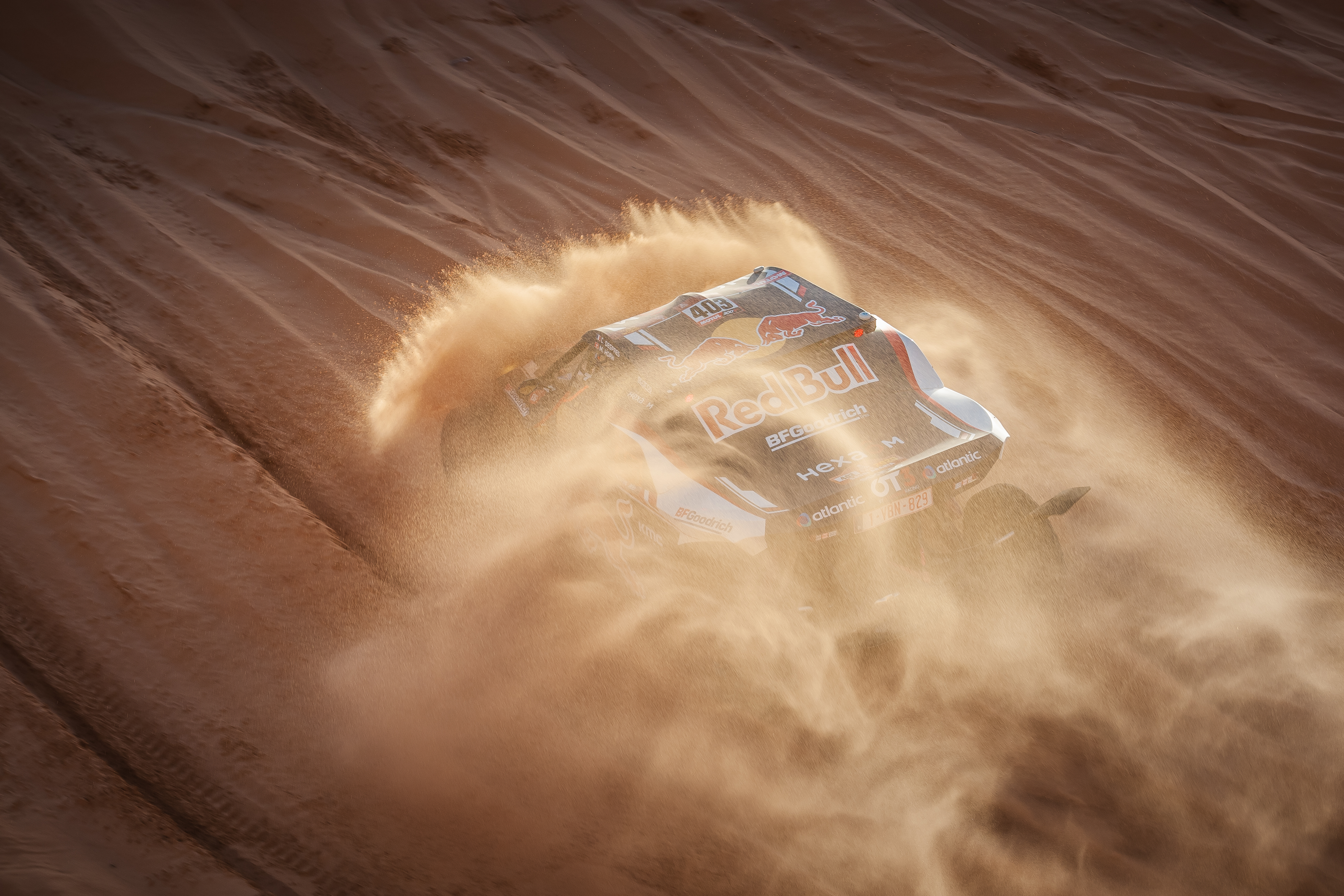
If you race the Dakar, for two weeks you have something that is rare the rest of the year: attention. Media follow the rally day by day, sponsors are watching and fans at home are waiting for every update. You only get that attention if you do something with it yourself.
This article explains how. What media and sponsors expect from you, how to plan your communication and what to arrange beforehand for the days without a signal. I have been writing about the Dakar since 2012, for platforms and for teams. This is what I have learned along the way.
Two weeks of attention, a chance every day
The Dakar is not a one-afternoon race. For two weeks there is a new story every day: a fast stage, a navigation error, a night of wrenching in the bivouac. For most teams it is the period in which they can get more exposure than at any other time of the year.
But that attention does not share itself out. The big factory teams have their own press office with a release ready every evening. A private team that sends nothing only makes the news when it retires or has a spectacular crash. Teams that deliver a good release every day get picked up. Even when they are not running at the front.
What media want from you
During the Dakar, newsrooms receive dozens of releases every evening. The one that makes it is the one that gives them the least work. That means:
- Fast. A release that arrives on the evening of the stage stands a chance. By the next morning it is old news.
- Short and complete. The result of the day, the overall standing and what happened. Three or four paragraphs is enough.
- A quote. A few sentences from the driver or co-driver turn a result into a story. Media quote them word for word.
- A photo. Preferably from that day, with the photographer clearly credited.
- In their language. A Dutch newspaper is more likely to pick up a Dutch release, a Belgian or international site an English one. Deliver in two languages and you end up in more places.
And don't send it to your own followers only. A fixed mailing list of sports and specialist desks makes sure the release reaches the people who can do something with it.
What sponsors want from you
For a sponsor the Dakar is an investment and they want to see a return. Not only at the finish, but every day. A release after every stage gives them something to share for two weeks: on their own website, in their newsletter and with their customers.
So agree beforehand which sponsors you mention in each release and how. Do you name them in the text every day, or do you add a short list of names? Both work and there is no right or wrong. Also send the releases straight to your sponsors, not just to the media. A sponsor who finds a story in their inbox every evening knows what they are paying for. That helps when you sit down together again next year.
How to plan your communication
Visibility during the Dakar starts well before the start. A fixed structure works best:
- The announcement, a few weeks before the start. Who is racing, in which class, with which vehicle and what ambition. This is also the moment for the regional paper: "local driver starts the Dakar" is local news.
- A release after every stage. Short, fast and with a quote. You can send something on the rest day too: a look back at the first week and ahead to the second.
- The final release at the finish. The final standing, the story of two weeks and a thank-you to the sponsors.
- The review, a few weeks later. What did the team learn and what are the plans for next year? It keeps the attention going when the rest of the media have already moved on.
Also settle the practical side beforehand: who sends the message from the car after the stage, who approves the release and who receives it.
No signal in the bivouac
In the desert the network regularly drops out and after a marathon stage or a long night of repairs nobody feels like typing a message. That is exactly when things go wrong: no message, so no news.
You solve this by agreeing beforehand what happens when it stays quiet. For example:
- One fixed contact in the car who sends a short text or voice message after the stage. Two sentences is enough.
- If nothing has arrived after a few hours, a release is written from the tracking, the results and what is known about the stage.
- That release goes to the contact first. If there is still no reply an hour later, it goes out.
That way something always goes out, even on the days the team itself cannot be reached.
Sort out your photos in time
A release without a photo gets published far less often. So set up a shared folder or photo library that is updated every day, with images of the stage and the bivouac.
Arrange two things beforehand. Who supplies the photos: your own photographer, a photo agency on site or the organiser? And are media free to use them? Credit the photographer on every photo and mention in your release that the photos are free for editorial use. That saves a newsroom an email and gets you a publication.
Do it yourself or outsource it?
You can do everything above yourself. Many teams do, often with a team member or someone at home writing the releases. Whether that works depends mainly on time and experience.
| Do it yourself | Outsource | |
|---|---|---|
| Cost | None, apart from time | A fixed price per rally |
| Time after the stage | An hour of writing after a 500 km day | Two minutes for a message |
| Speed | Depends on the evening | As soon as possible, aiming for two hours |
| Languages | Usually one | English and Dutch |
| Distribution | Your own channels | Your own channels and a media mailing list |
What matters when you outsource: it stays your story. A good press release sounds like the team itself, with quotes in your own words. And it goes to all media at once, not to a single platform.
Would you rather hand it over? During the Dakar I write the daily press releases for a small number of teams, in English and Dutch. See how it works and what it costs. And if you do it yourself, I hope this article gives you a good start.